What's Contained in Renovation Offerings? A Comprehensive Resource to Your Renovation Requirements
Remodeling solutions cover various vital elements created to support successful renovations. These include design consultations, material selection, and project management. Each phase plays an important role in obtaining a cohesive outcome. Understanding these aspects can substantially affect the quality and performance of the renovation. Yet, many homeowners overlook critical elements that can influence their overall experience. What should one emphasize when starting on such a project?
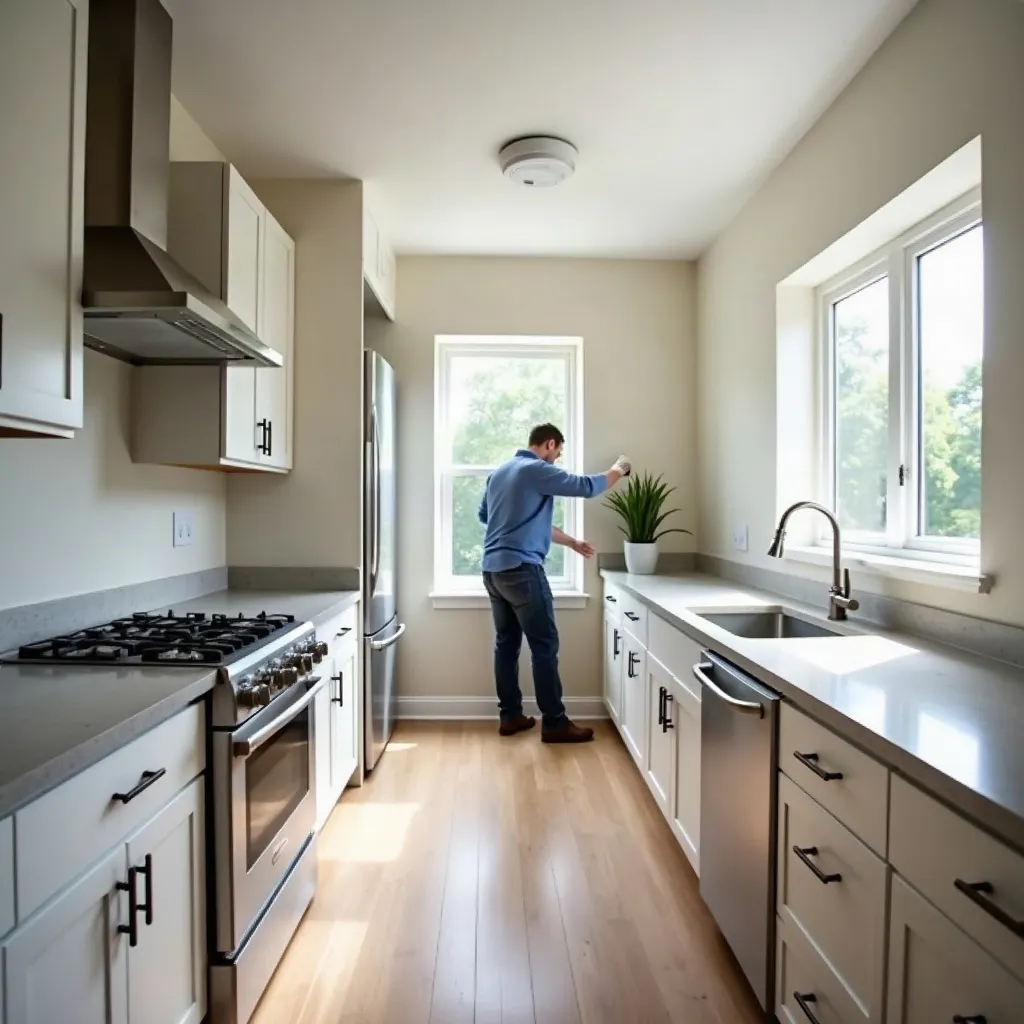
What Constitute the Critical Aspects of Redesigning Packages?
When examining remodeling services, knowing the principal components is necessary for a prosperous project. Principal elements typically feature visualization, budgeting, contractor selection, and handling the project. The visualization stage involves visualizing the new layout and design, verifying it supports the homeowner's aspirations. Expense management is vital, as it covers all fees, from materials to labor, and minimizes overspending.
Identifying a dependable contractor is another essential component, as their professionalism directly influences the quality and operational success of the remodel. Homeowners should review professional background, recommendations, and previous work.
In conclusion, effective project administration ensures that deadlines are honored and that correspondence between all stakeholders remains clear throughout the process. By understanding these elements, homeowners can navigate the complexities of remodeling services, resulting in a prosperous renovation that satisfies their wants and desires.
Determining the Most Appropriate Design Consultation: Primary Standards to Take Into Account
Choosing the perfect design consultation is critical for a successful remodeling initiative. Qualities such as the consultant's expertise and knowledge, along with fit in creative direction, are significant in guaranteeing that the final product resonates with the owner's perspective. Thoughtful appraisal of these elements can create a more satisfying and effective remodeling experience.
Mastery and Expertise
Picking the ideal design consultation can dramatically influence the success of a remodeling project. Experience and expertise are key factors to weigh when selecting a consultant. A professional with a robust portfolio demonstrates a history of successful projects, highlighting their ability to navigate challenges effectively. Plus, knowledge of local building codes and design trends can improve the project’s outcome. It’s also useful to evaluate their approach to problem-solving and communication style, as a team-based relationship encourages creativity and innovation. Additionally, seeking testimonials or reviews from past clients can give insight into their working methods and reliability. Ultimately, valuing experience and expertise ensures a smoother remodeling process and a more satisfying end result.
Design Style Coordination
A remodeling project’s success copyrights not only on skill but also on design style compatibility between the homeowner and the consultant. Selecting a design consultant involves assessing individual design tastes alongside the consultant's portfolio. Homeowners should reflect on whether their ideas aligns with the consultant's strengths, whether it's contemporary, traditional, or eclectic styles. Open communication is essential; discussing inspirations and expectations can help resolve misunderstandings. Additionally, examining previous projects can reveal the consultant's adaptability to different styles. Compatibility extends beyond aesthetics; understanding how well the consultant listens and incorporates feedback is vital. Ultimately, a well-matched collaboration founded on shared design values can greatly enhance the remodeling experience and lead to a satisfying outcome.
Deciding on Remodeling Supplies: Key Information You Require to Recognize
When selecting remodeling materials, property owners must assess durability, aesthetic appeal, and budget constraints. The appropriate materials can enhance the longevity of a project while also matching the overall design. Understanding available options guarantees a balance between quality and affordability.
Material Resilience Review
Durability is a key aspect in selecting remodeling materials because it directly affects the longevity and upkeep of a space. Choosing materials that can handle wear and tear is important for any renovation project. For example, flooring options like ceramic tiles and hardwood offer different durability levels; tiles ward off moisture and scratches, while hardwood can boost the look but may need more maintenance. Moreover, countertops made from quartz or granite offer both robustness and stain resistance. It’s also essential to consider the local climate since certain materials perform better under specific conditions. Investing in durable, premium materials not only improves the space’s functionality but also reduces the need for frequent repairs or replacements, thereby saving time and money.
Appearance Enhancement Factors
While practicality is crucial, the aesthetic appeal of renovation materials greatly influences the overall ambiance of a space. Selecting the right materials requires evaluating color schemes, textures, and designs that enhance the aesthetic direction. Natural materials, such as wood and stone, often evoke warmth and sophistication, while sleek metals and glass can produce a modern feel. Additionally, the finish of surfaces—matte, glossy, or textured—can substantially impact the perception of light and space. The balance between materials is important; mismatched elements can disrupt a unified look. Ultimately, selecting aesthetically pleasing materials not only enhances visual interest but also contributes to a sense of comfort and wellness within the remodeled environment.
Budget-Economical Choices Provided
Although home renovation can seem difficult due to costs, numerous affordable options are available that permit property owners to accomplish their intended look without breaking the bank. Opting for inexpensive alternatives such as laminate surfaces or vinyl flooring can considerably reduce costs while still providing a polished look. Reusing present fixtures, including cabinets or fittings, via refinishing or repainting can similarly create considerable savings. Homeowners may consider acquiring materials at nearby salvage yards or budget retailers, in which quality items can routinely be found at reduced prices. Choosing open floor plans or minimalistic designs can further reduce expenses by limiting the requirement for extensive renovations. In summary, strategic thinking and creative problem-solving enable property owners to successfully remodel within a budget.
Understanding the Construction Process Key Steps and Timelines
Navigating the construction process demands a firm comprehension of its key steps and timeframes. At first, project preparation entails defining the scope and budget, then selecting a qualified contractor. After assembling the team, the design period starts, during which blueprints and specifications are finalized.
Subsequently, the dismantling phase may proceed, creating space for new construction. This is then succeeded by the construction phase, where structural changes transpire, involving framing, electrical, and plumbing work. Each of these processes has specific timelines, often dictated by the project's complexity and the availability of materials.
At the end, the concluding details feature paint application, flooring work, and fixture installation. A detailed knowledge of these steps, together with their respective timelines, helps homeowners align expectations and maintain effective communication with contractors, promoting a more efficient renovation process.
Do you need to plan for permits and regulations?
As the building project unfolds, understanding the necessary permits and regulations becomes crucial for homeowners. Working with local authorities at the start of the remodeling journey can explain which licenses are needed for specific projects. Building codes, zoning laws, and safety regulations vary by location, making it vital to research these factors before beginning construction.
Homeowners should additionally consider the scope of renovation project—whether it's a kitchen upgrade or an addition—since separate projects may demand multiple permits. Retaining a trustworthy specialist with expertise maneuvering through these regulations can smooth the workflow and reduce potential delays.
Additionally, homeowners should be prepared for inspections at different points to guarantee compliance with local standards. By emphasizing licensing preparation, property owners can prevent costly fines and obtain a smoother remodeling process. Ultimately, thorough preparation in this area sets the groundwork for a accomplished remodeling project.
Finishing Accents That Elevate Your Room
Lifting the quality of a room often revolves around the thoughtful weaving of final accents that mirror personal style and functionality. These features can reshape a straightforward renovation into a seamless atmosphere. Components such as personalized cabinets, tasteful light fixtures, and exceptional details can bestow character and charm, while also refining user experience.
Textiles like area rugs, curtains, and throw pillows contribute warmth and comfort, creating an inviting atmosphere. Additionally, wall art, mirrors, and decorative accents work not only as aesthetic elements but also as focal points that grab the eye.
Plants and plant life impart a touch of the natural environment, improving both air purity and visual appeal. Establishing a cohesive color palette confirms that all pieces flow together smoothly, supporting the overall design theme. Finally, these final touches are indispensable in constructing a space that connects with its dwellers, demonstrating their preferences and promoting their daily experiences.
Setting Your Remodeling Budget: Proven Guidelines
In what ways can homeowners effectively set a renovation budget that meets their needs? First, they should determine their overall financial limits by evaluating savings, potential loans, and expected return on investment. Next, building a detailed list of desired renovations can help prioritize projects and allocate funds accordingly. Homeowners should also study average costs for materials and labor in their area, making it possible for realistic budgeting.
Furthermore, it is recommended to set aside 10-20% of the budget for unforeseen expenses, expert advice which frequently arise during remodeling projects. Speaking with experts can provide insights into affordable solutions and potential pitfalls. In conclusion, preserving flexibility in the budget can allow for changes that may enhance the overall project. By adhering to these best practices, homeowners can create a well-structured budget that corresponds with their renovation goals while decreasing financial stress.
Often Posed Queries
What Duration Does a Standard Remodeling Project Typically Take to Wrap Up?
A typical renovation undertaking may take between a few weeks and several months, depending on the complexity, size, and extent of work required, as well as the availability of materials and labor.
Can I stay in My Home During the home improvement project?
Yes, homeowners can typically remain in their homes during remodeling work, depending on the extent of the project. However, limited access, dust, and noise to certain areas may create inconvenience, demanding adaptability and flexibility throughout the process.
What Are Common Concealed Expenses in Remodeling?
Common hidden costs in renovation often include unforeseen structural damage, permit fees, design changes, and improvements to electrical and plumbing infrastructure. Homeowners often miss these expenses, which can significantly affect the overall renovation budget.
What Should I Consider When Choosing a Reliable Contractor?
To locate a solid contractor, one should look into feedback, validate credentials, and solicit several estimates. Additionally, assessing previous work and fostering open dialogue can help identify a contractor's trustworthiness and appropriateness for the project.
What Steps Ought to I Take if I'M Displeased With the Results?
If dissatisfaction comes up throughout a renovation, one should promptly relay worries clearly with the contractor. Log troubles, develop solutions collaboratively, and if not settled, investigate conciliation or consulting local consumer protection bodies for continued assistance.